
Exercise Physiology
Individualised exercise to help you manage health conditions, recover from injury and stay active.
Our team of Accredited Exercise Physiologists and exercise scientists are passionate about helping you improve your health and wellbeing through exercise.
We use education and individualised, evidence-based exercise to prevent and manage a broad range of chronic conditions and injuries, so you can keep moving well in everyday life.
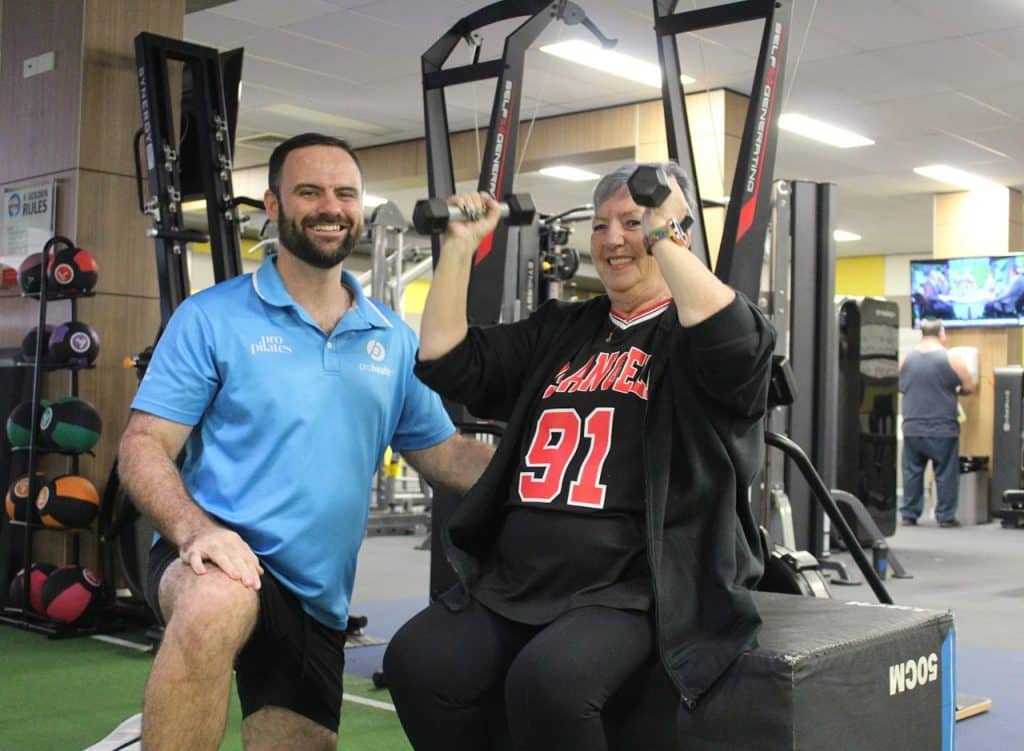
How we can help
Exercise Physiology can help prevent, manage and treat a broad range of health conditions and injuries. Here are some of the areas our team supports.
Chronic pain
Exercise to reduce and manage ongoing pain, including low back pain, fibromyalgia and arthritis.
Injury & surgery recovery
Prevention and rehabilitation of sports and musculoskeletal injuries, and rebuilding strength after surgery.
Diabetes & metabolic health
Managing Type 1 and Type 2 diabetes, obesity and other metabolic conditions.
Heart health & cardiac rehab
Exercise for heart health, blood pressure and fitness, including cardiac rehabilitation.
Neurological conditions
Exercise to help manage neurological conditions and their symptoms, such as Parkinson’s disease and MS.
Women’s health
Pregnancy, postnatal, menopause and more, with EPs who specialise in women’s health.
Cancer care
Exercise to support you through and after cancer treatment, at a pace that suits you.
Home exercise programs
Individualised home exercise programs so you keep progressing between sessions.
How it works
Real progress starts with understanding your body and what you want to achieve. Here’s what to expect when you work with our team.
Getting to know you
We learn about your health, lifestyle, challenges and what you’d like to achieve. It’s your chance to be heard and ask questions.
Understanding your body
A personalised assessment of your strength, balance, mobility, fitness and pain shows us the right starting point.
Creating your plan
We build an exercise plan around your goals, your needs and your everyday life that’s safe, realistic and achievable.
Ongoing support
Expert guidance, encouragement and regular progressions as you improve, so you build confidence and lasting results.
Meet our Exercise Physiologists
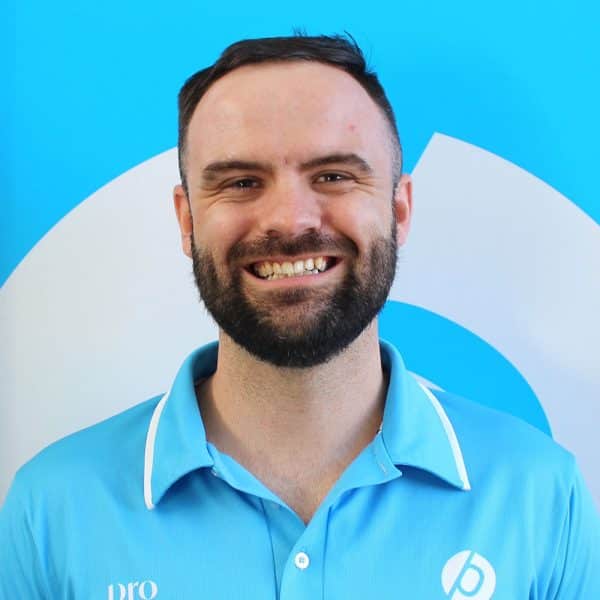
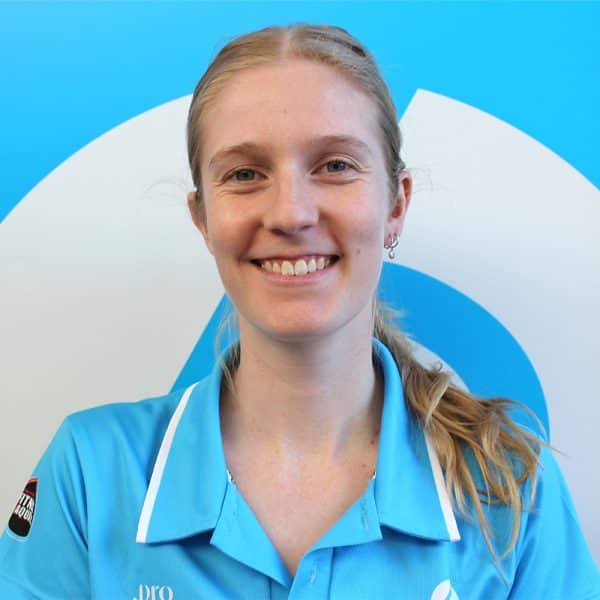
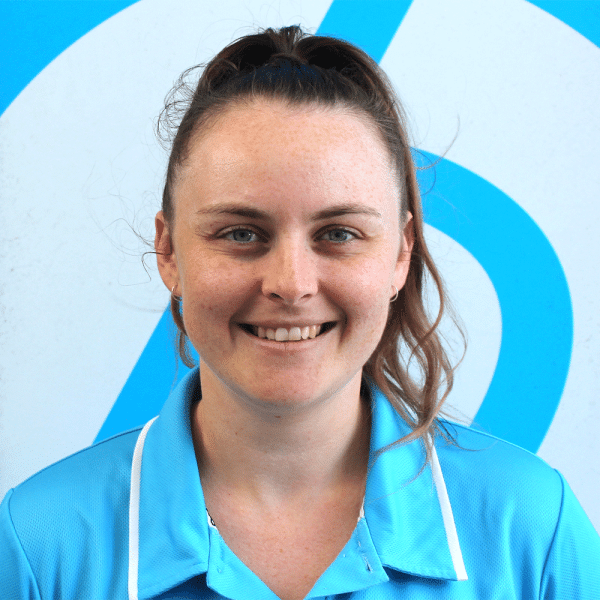
Our Accredited Exercise Physiologists bring a wide range of clinical interests, from chronic disease and neurological conditions to women’s health and cancer care.




Exercise Physiology FAQs
Answers to the questions we’re asked most about Exercise Physiology.
An Exercise Physiologist uses evidence-based exercise interventions to assess physical function and address factors that may be contributing to reduced strength, mobility, fitness, balance, pain, or overall function. Following a comprehensive assessment, they develop an individualised exercise program aligned with your goals, current capacity, and clinical needs, with the aim of improving physical performance, functional capacity, and long-term health outcomes.
Exercise Physiology can assist with the prevention, management, and treatment of a broad range of health conditions, injuries, and physical limitations. This may include musculoskeletal pain and injuries, reduced strength and mobility, balance impairments, metabolic conditions, cardiovascular disease, neurological conditions, chronic disease management, post-operative rehabilitation, and general physical deconditioning. It can also support individuals looking to improve functional capacity, physical performance, and long-term health outcomes through structured, evidence-based exercise.
Yes. ProHealth accepts NDIS, Medicare, DVA, WorkCover, insurance, and private referrals, making it easier for a wide range of people to access support in the way that suits them best. We are NDIS registered providers which means we can see all types of participants.
Wear comfortable clothing that you can move in easily. For gym-based sessions, you will need to bring along a water bottle and a towel.
Absolutely! There are showers and bathrooms available in both the hydrotherapy pool area, as well as the gym.
Exercise Physiology is a clinical, evidence-based allied health service delivered by university-qualified professionals. Unlike personal training, it is designed not just for general fitness, but for improving movement, function, health outcomes, and confidence in people with pain, injuries, chronic conditions, physical limitations, or more complex needs.
At ProHealth, our approach is individualised, evidence-based, and outcome-focused. We take the time to understand your goals, current capacity, and clinical needs in order to develop a tailored plan that supports meaningful improvements in movement, function, and overall health. With expert guidance and ongoing support, our aim is to help you achieve sustainable outcomes that enhance confidence, independence, and quality of life.
Getting started is simple. Your first step is to book an initial consultation, where we take the time to understand your goals, assess your current function, and create the right plan for you. From there, we guide you step by step with expert support and a program tailored to your needs.
Still have a question? Call us on 07 3103 9813, email admin@prohealthrx.com.au or see all our FAQs.